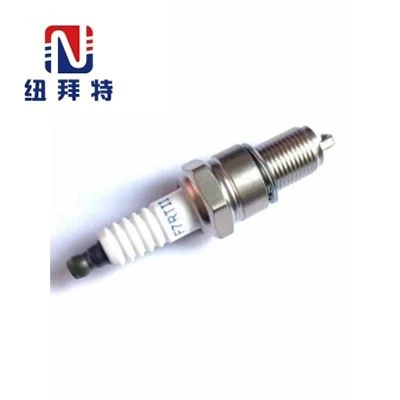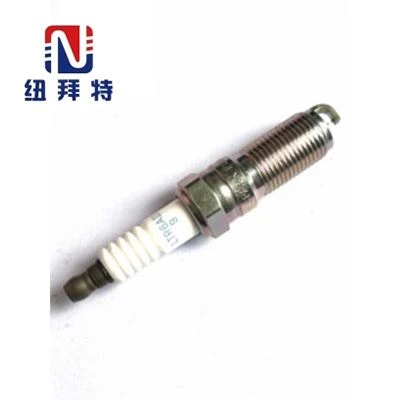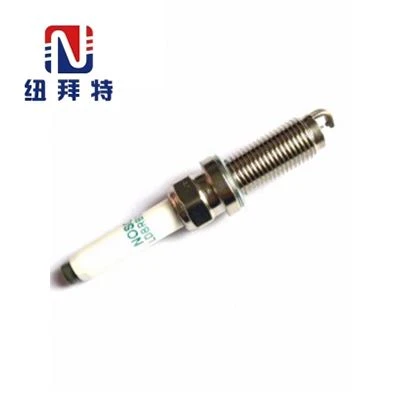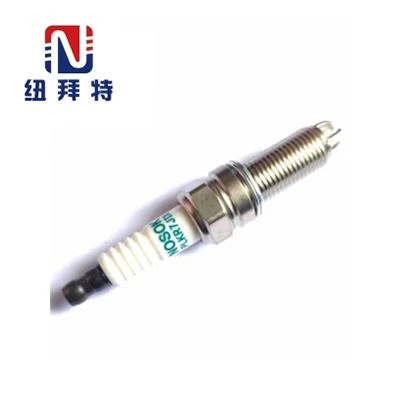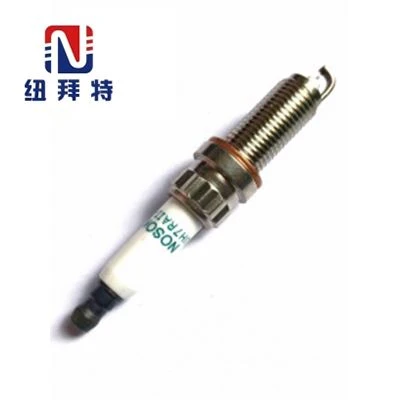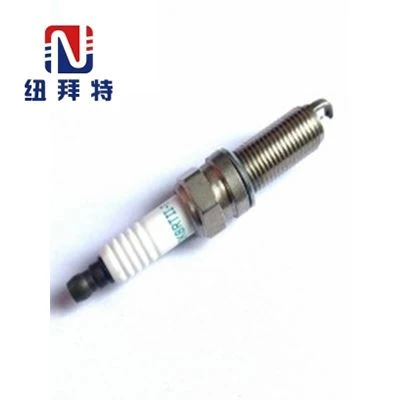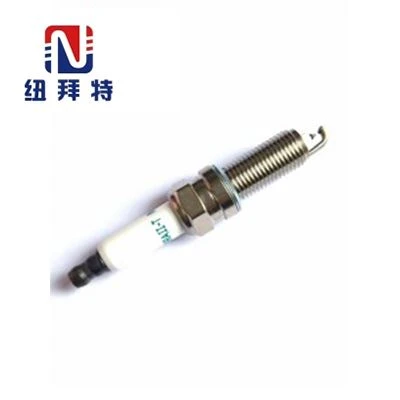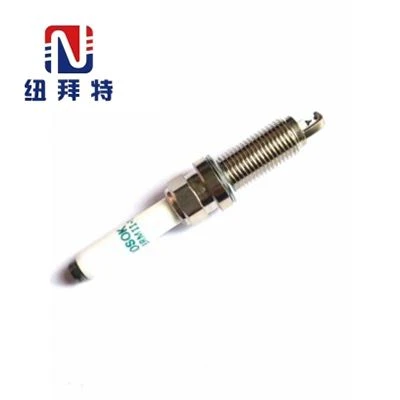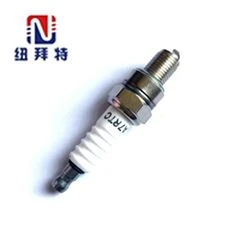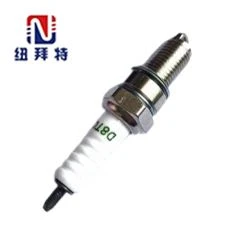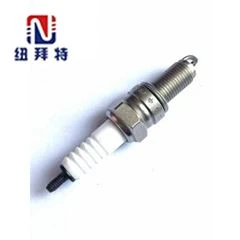
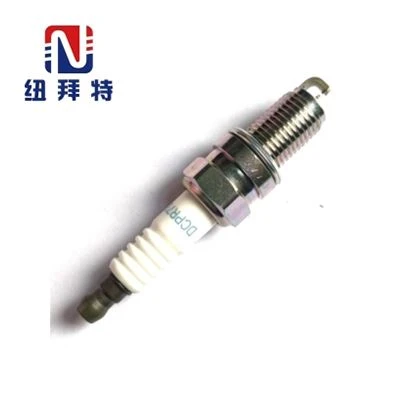
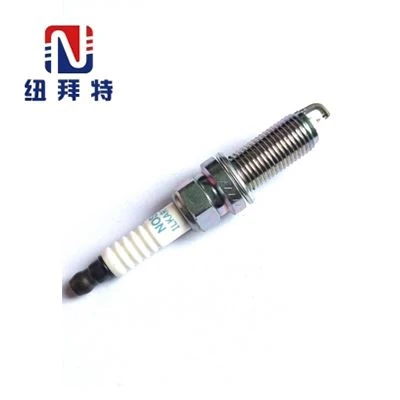
Automobile Spark Plug

Your Leading New Bettter Auto Parts Co.Ltd. Supplier


Founded in 2007, Newbetter Zhuzhou auto parts is located in Zhuzhou, the largest transportation hub and industrial hub in southern China. The company's geographical location, rich in natural resources. The Hemerocallis fulva airport and the Wuhan-guangzhou high-speed railway are close at hand. The main railway lines of Beijing-guangzhou, Zhejiang-jiangxi, Hunan-guizhou are close to the periphery. 106, China National Highway 320 and the Beijing-zhuhai and Shangrui expressways encircle the urban area. The company is a professional manufacturer of spark plugs. Existing"NBT", "NOSOK" and other trademarks, the production of spark plugs are widely used in high-end cars, motorcycles, small generators, gasoline engines.


Why Choose Us?
 
01/

High quality
The company has spark plug manufacturing professionals and advanced equipment.

02/

Competitive Price
We offering a higher-quality product or service at an equivalent price. As a result we have a growing and loyal customer base.

03/

Rich experience
Our company has many years of roduction experience! to update the technology, more reliable performance, more perfect after-sales service return to our customers.

04/

Advanced equipment
Have advanced equipment, designed with advanced technology and functionality to perform highly specific tasks with greater precision, efficiency and reliability.
First 1234 Last 1/4

What is Automobile Spark Plug?


Spark plugs serve to ignite this fuel-air mixture. With the battery as the power source, the spark plug converts the electrical energy that comes through the ignition coil and distributor into a spark which ignites the fuel air mixture.


Benefits of Automobile Spark Plug


Increases engine performance and efficiency:
A worn-out spark plug causes engine misfiring. Other problems that might occur include a buck, stall, rough running, or sluggish starting. Your car will perform better and operate at peak efficiency when you change the spark plugs.


Fully functioning combustion process:
Fully functioning spark plugs ensure a fully functional combustion process. Once you achieve this process with your new pieces, you can say goodbye to all the performance issues you were experiencing before. This is because optimal combustion means that all the cylinders in your engine are firing correctly. If they are not, it can cause problems like misfires, hesitations, and decreased fuel economy.


Improves fuel economy:
Another advantage of having adequately functioning spark plugs is improved fuel economy. The combustion process will be more efficient, meaning that you will need less fuel to power your vehicle. In addition, replacing old and worn-out spark plugs can also help to improve your mileage since they won’t be working as hard to produce the same level of performance.


Smoother pick-up and acceleration:
If you’ve noticed that your car takes longer to start up or accelerate, it could be due to worn-out spark plugs. When they’re not firing correctly, it can cause these sorts of issues. However, once you replace them with new ones, you should notice a difference in how your car runs.


Reduces emissions:
Finally, replacing the spark plugs can also help to reduce emissions from your vehicle. This is because old and worn-out spark plugs can cause incomplete combustion, which leads to the production of harmful pollutants like carbon monoxide and hydrocarbons. Replacing your spark plugs will help to keep these emissions low and protect the environment.


Types of Automobile Spark Plug


1. Copper spark plugs

Copper plugs have been around for over a century and have a solid copper core with a nickel alloy electrode. Nickel is softer than platinum or iridium, and thus has a much shorter life. These plugs are usually best for older, low-voltage systems. Because of copper’s high conductivity, some high performance vehicles require them.

2. Platinum spark plugs

Platinum plugs became popular in the late-80’s, when ignition systems began to migrate from distributor-based systems, to coil pack or DIS (wasted spark) systems, which demanded a plug that could withstand the higher-energy, more demanding system. The harder, platinum material lasted longer, as manufacturers made a push to develop spark plugs and antifreeze that lasted upwards of 80-100K miles. Platinum plugs use a platinum disc that is welded to the end of the center electrode, which allows the plug to last longer than a copper plug, retaining its edge better, which means better conductivity. Platinum spark plugs tend to run hotter, preventing fouling and buildup of deposits. It’s important to note that DIS “wasted spark” coil systems operate best on Double Platinum Plugs.

3. Double platinum spark plugs

In the early 1990’s, DIS “wasted spark” ignition systems were created, which essentially means that one coil pack controls the firing of two spark plugs in the system. In doing this, both spark plugs that attach to that single coil pack spark at the exact same time – the difference is that one is firing on the compression stroke, and one is firing on the exhaust stroke of the sister-cylinder, which is referred to as a “wasted spark”. To make this even more complicated, one spark plug attached to each coil is positive polarity, while one is reverse polarity. This means that the spark on one plug travels from the center electrode to the side electrode. On the other plug, the spark travels from the side electrode to the center electrode. What this means is that instead of the center electrode wearing as it does in traditional ignition systems, now, the side electrode wears on the plug that is reversed-polarity! This created the need for a double-platinum plug that has a platinum disc on both the center electrode, and the side electrode. This created a plug that is very durable in DIS systems, lasting upwards of 80-100K miles.

4. Iridium spark plugs

Harder than platinum, Iridium plugs came on the market in the mid-2000’s as coil-on-plug systems began to get more popular. Iridium plugs usually feature the smallest diameter center, which can increase efficiency by reducing voltage needed to create a spark. Iridium is also famous for continuing to fire under extreme conditions. If your manual specifies iridium spark plugs, best practice is to absorb the extra cost associated with this rarer metal for best performance.

5. Double iridium spark plugs

Like double platinum spark plugs, double Iridium spark plugs feature two discs of rare metal for increased performance and durability. Double Iridium Spark Plugs are designed to deliver the firepower necessary under any driving conditions, especially extreme heat or continual high-speeds, and can provide up to 4 times the normal life of service compared to a standard copper spark plug.

Components of Automobile Spark Plug
 

Terminal
Connects to the ignition system and conducts the high voltage to the central electrode.

Insulator
Insulates the terminal, center shaft and center electrode against high voltage and provides flashover protection. Keeps high voltage from escaping before it gets to the electrode tip.

Resistor
Suppresses ignition noise that is generated during sparking. Helps prevent electrical interference with other electrical components in the vehicle and disruption to radio reception.

Central electrode
Connects to the terminal by an internal wire. Tip is made of copper, nickel, chromium or other precious metals. The metal carries the high voltage through the spark plug so it can spark when it goes across the small gap between the central electrode and the side electrode.

Ignition Plug for Motorcycle


Ignition Plug for Motor

Ground or side electrode
Located on the side of the metal, it extends into the combustion chamber to create the spark that ignites the fuel.

Hex head
Steel shell where a socket wrench fits for tightening and loosening the plug. Provides electrical ground to cylinder head and transfers heat to the head to help cool the plug.

Gasket
Located between the insulator and the housing, it helps keep combustion gases from escaping.

Ribs
Helps stop voltage from jumping to the hex head.


Process of Automobile Spark Plug


Open the car's hood to inspect the engine and locate the spark plugs. You might need a flashlight to see them.

Identify the spark plug wire and remove it by pulling it off the spark plug. Some models have a cap that must be unscrewed first, while others pull off.

Attach the spark plug socket using the ratchet wrench and insert it into the well where the spark plug was located.

Unscrew and remove the spark plug it from the engine. Take a look to inspect for potential damages - if so, you might need to consult a mechanic before proceeding further.

Inspect the threads in the well and clean them out if necessary.

Apply limited anti-seize compound to the threads on the new spark plug. This will help it stay in place and not get damaged when screwing it in.

Screw in the new spark plug until it's snug, but don't over-tighten it.

Reattach the spark plug wire and repeat the process for the other spark plugs.

Startup your vehicle and see if the issue has been resolved. If not, you might need to consult a mechanic for further assistance.


How to Maintain Automobile Spark Plug


Regularly checking your spark plugs is essential preventive maintenance. A spark plug usually lasts about 30,000 miles, but cleaning them and maintaining them periodically lets your engine perform better and increases your plugs' lifespan. If you see rust, carbon, gunk, dust, or any type of buildup during the inspection, it may be time to clean them.


How To Check for a Fouled or Damaged Spark Plug


1.Disconnect the spark plug lead. Then, clean the area around the spark plug to avoid getting debris in the combustion chamber when you remove the plug.

2.Remove the spark plug using a spark plug socket.

3.Clean light deposits from the plug with a wire brush and spray-on plug cleaner. Get full cleaning instructions below.

4.Inspect the spark plug for very stubborn deposits, or for cracked porcelain or electrodes that have been burned away. If any of these conditions exists, replace the spark plug.

5.Check the spark plug gap and adjust as necessary.

6.If it seems in working order, replace the plug, taking care not to over-tighten (15 ft. lbs. MAXIMUM) and re-attach the spark plug lead.

7.Start Your Engine

Motobike Ignition Plug


How Do Spark Plugs Work?


In gasoline engines, your car’s fuel pump draws gas from the tank into the fuel injector. Fuel from the injector mixes with oxygen drawn from the air intake, forming a combustible air-fuel mixture within your cylinders.

Inside those same cylinders are the spark plugs, which ignite the mixture and drive the internal combustion process. The pressure created by combustion pushes the engine’s pistons, which, in turn, power the crankshaft. Through a system of gears, this action of the crankshaft drives the wheels, allowing your car to move.

How to Tell if a Spark Plug Is Bad?

Spark plugs play a vital role in powering your vehicle, so it's not surprising that the signs of faulty plugs are pretty jarring. A few common symptoms you may notice include:

1

Rattling, pinging, or "knock"-like noises

When spark plugs begin to misfire, you may notice unusual noises from the force of the pistons and combustion not working correctly. Pistons travel at high velocities. If the spark plug fires at the wrong time, this could lead to constant rattling, pinging, or knocking sounds.

2

Hard vehicle start

If your car is having trouble starting or just feels disjointed and jerky, your spark plugs may not be working right, and this can lead to misfires and erratic performance.

3

Reduced performance

When you're out cruising, your spark plugs don't take a break, even when you accelerate and change gears. If the spark that this little plug generates isn't functioning at 100 percent, your vehicle performance will not be at its full potential.

4

Poor gas mileage

Lots of things can lead to poor fuel economy, though when it comes to faulty spark plugs, you'll find fuel may be wasted if your vehicle fails to receive the proper spark at the right time.


How to Choose Automobile Spark Plug
 

Material
When purchasing spark plugs, you should consider which substance is appropriate. Copper is appropriate for older models with low-voltage distributor-based ignition. Platinum or iridium are ideal for modern engines that lack distributors.

Platinum offers a fantastic blend of price, performance, and longevity. Despite its higher price, iridium provides an even better combination. Finally, always use the plug advised by your vehicle's manufacturer.


Size
The thread and nut size is a useful technique to specify spark plugs. In the United States, common thread or nut dimensions are as follows: 10 mm (nut: 16 mm), 12 mm (nut: 14 mm, 16 mm, or 17.5 mm), 14 mm (nut: 16 mm or 20.63 mm), and 18 mm (nut: 20.63 mm).


Spark plug heat range
A spark plug is labeled "hot" if it is a better heat conductor and "cold" if it can channel more heat from the tip and reduce its temperature.

Manufacturers often identify the thermal band of an ignition system with a numeral, with some manufacturers preferring ascending digits for hotter plugs while others utilize descending numbers for a colder plug.


Gap design
Spark plugs frequently have a spark gap that may be adjusted with a gapper kit. A single plug can be designed for many engines, each with its own gap.

The distance between car spark plugs is typically 0.6 to 1.8 mm (0.024 and 0.071 inches). Use a gap gauge to test the plug's gap within the specified range.

Our Factory


Founded in 2007, Newbetter Zhuzhou auto parts is located in Zhuzhou, the largest transportation hub and industrial hub in southern China. The company's geographical location, rich in natural resources.

productcate-960-600
productcate-1-1
Our Certificate
 
productcate-1-1
productcate-1-1
 
FAQ


Q: What are two factors to be considered when selecting a spark plug for an engine?

A: Choosing the right spark plug for your vehicle
Manufacturers specify spark plugs that are optimised for your engine's needs, considering factors like heat range and electrode material. Engine Type and Condition: Different engines require different types of spark plugs.

Q: Which is better iridium or platinum spark plugs?

A: The benefits of iridium for a spark plug include: It's as much as eight times stronger than platinum, so iridium can have a sharper center electrode that conducts a more durable, powerful spark. Iridium is much harder than even platinum, so it resists wear for up to 25% more lifespan.

Q: What is the best spark plug for older engines?

A: Copper spark plugs
Copper spark plugs run cooler and provide more power in performance driving situations. They are often installed as original equipment in turbocharged engines and engines with higher compression ratios. Copper spark plugs are also often used in older (pre-1980s) vehicles with a distributor-based ignition system.

Q: What are the best spark plugs for high mileage cars?

A: Platinum spark plugs boast longevity and resistance to fouling. Since platinum is harder, it holds its sharp edge much longer than a conventional spark plug, up to 100,000 miles. Platinum spark plugs come in two varieties - single and double platinum.

Q: What spark plugs give more horsepower?

A: Pulstar spark plugs can give your engine more power, a quicker throttle response, and a more stable, longer-lived engine.

Q: What happens if you use platinum spark plugs instead of iridium?

A: Iridium is a far stronger metal than platinum, capable of taking up to eight times as much wear and tear as a platinum spark plug before losing efficiency. This means that iridium spark plugs are less likely to fail than platinum spark plugs, need replacing less often, and perform better under tough conditions.

Q: Do I really need iridium spark plugs?

A: The spark plug manufacturers are unanimous about the fact that iridium spark plugs can considerably improve the engine power. The advantage is crucial when you need to navigate through difficult driving situations or climb steep slopes.

Q: What is the most expensive spark plugs for a car?

A: Iridium spark plugs
Iridium spark plugs are typically the most expensive ranging from $8 to $15 each. Do your research to learn which spark plug is right for you.

Q: What spark plugs last 100000 miles?

A: Platinum spark plugs last longer and typically run hotter. That means these spark plugs reduce carbon buildup in your engine. Since these are made with hard but high-quality metal, you can drive about 100,000 miles before needing to replace platinum spark plugs.

Q: What spark plugs are best for acceleration?

A: Iridium IX. ®
Iridium's extremely high melting point is perfectly suited to today's high-temperature engines, delivering outstanding acceleration, fuel efficiency and durability.

Q: What is the life expectancy of spark plugs?

A: Luckily, spark plugs don't wear out very quickly. You can typically get 80,000 miles on them before they need replacing. But if you notice any of these symptoms, it's time to get your spark plugs checked out with an engine tune up.

Q: What spark plugs do Toyotas use?

A: Toyota offers a variety of spark plugs designed specifically for your vehicle's engine, including U-Groove, Dual-Ground Electrode, Double Platinum and even Iridium spark plugs.

Q: How do I know if iridium plugs are worn?

A: Visual Inspection. Remove and compare your old spark plugs to a new one. If the tip and/or electrode show excessive wear they should be replaced. Also, look for fuel and oil contamination.

Q: Can spark plugs last 10 years?

A: On average, the life of classic spark plugs is not more than 30,000 miles, and that of platinum and iridium is not more than 55,000 miles. The following are signs of malfunction that indicate the need to replace the spark plug: Deposits of ash or oil, soot, varnish or slag, melted or discolored electrodes.

Q: What mileage a regular spark plug must be replaced?

A: Every 30,000 to 90,000 miles
If none of the previous issues are forcing you to replace your spark plugs, you can typically change them every 30,000 to 90,000 miles depending on the make and model of your car. Your owner's manual reveals the schedule of your vehicle.

Q: What all should you replace when replacing spark plugs?

A: The most important thing to remember is to change the wires when you do the spark plugs.

Q: Why do Bosch spark plugs say do not gap?

A: Plug manufacturers traditionally warn against gapping fine wire spark plugs due to the fragile nature of their electrodes.

Q: Are cheap ignition coils any good?

A: These are precision components. As a typical spark plug is fired eight times a second, ignition coils have to be well made. Being tempted by a low-quality part is a false economy. As coils are controlled by the engine management computer (ECU), they send low voltage references back after the spark plug has been 'fired.

Q: Do high performance ignition coils make a difference?

A: According to a 2020 report, upgraded ignition coils can increase power output by up to 15% in certain high-performance vehicles. An industry study conducted in 2021 found that vehicles with upgraded ignition coils experienced up to a 10% improvement in fuel efficiency under specific driving conditions.

Q: Do iridium spark plugs need to be gapped?

A: In most cases your Iridium Power plugs do not need to be gapped. Even with small variations in the factory set gap the ultra-efficient firing power design will compensate for those small variations.

We're well-known as one of the leading automobile spark plug manufacturers in China. Please feel free to buy high quality automobile spark plug made in China here from our factory. Good service and competitive price are available.

cargo trailer spark plug if applicable , six cylinder engine spark plug, commercial vehicle spark plug

(0/10)

clearall